Training
Build Better Habits With Dog Training Aids
Learning to follow a cue and navigating an obstacle course may seem like different activities, but both depend on clear communication between you and your dog. Our dog training aids at Dawgs At Play Co cover behavioral and obedience equipment alongside agility gear, supporting different approaches to developing skills and practicing commands. Each type of dog training equipment has its own purpose, so your pup's temperament, physical abilities, and experience should guide your choices. Consistent cues, appropriately timed rewards, and manageable sessions help create a positive environment where new behaviors can develop through practice.
Control Collars Require Thoughtful Training and Fit
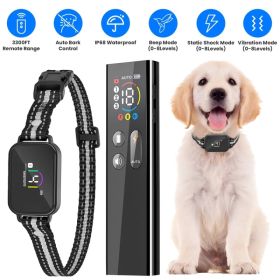
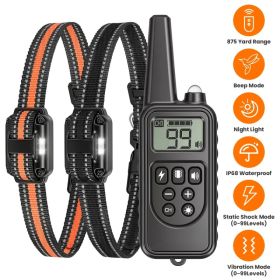
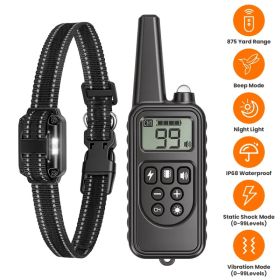
Behavioral and obedience work sometimes involves equipment designed to assist with handling or reinforce particular training cues. Our dog control collars represent one category of training equipment, with designs that can differ in their operating methods, adjustment features, and intended applications. Understanding these differences is essential before introducing a collar into your dog's routine. Check the manufacturer's sizing and usage guidance, and avoid methods that cause pain, fear, or unnecessary pressure. A collar alone cannot teach reliable behavior, so focus on rewarding desired responses and building consistency through repetition. For challenges involving fear, reactivity, or persistent pulling, guidance from a qualified reward-based trainer can help you select a safer, more appropriate approach.
Agility Training Gives Energetic Dogs a New Challenge
For pups that enjoy moving, exploring, and responding to direction, dog agility equipment introduces an engaging way to combine exercise with learning. Obstacle activities can involve navigating designated paths, stepping over low barriers, or practicing controlled movements that require attention and coordination. Equipment size, stability, and difficulty should match your dog's age, physical condition, and training experience. Begin with simple tasks and reward small successes before gradually increasing the challenge. Keep the pace comfortable, allow breaks, and avoid forcing movements that your companion finds difficult. As your dog becomes more familiar with each exercise, agility practice can provide an enjoyable opportunity to strengthen communication while sharing active time together.